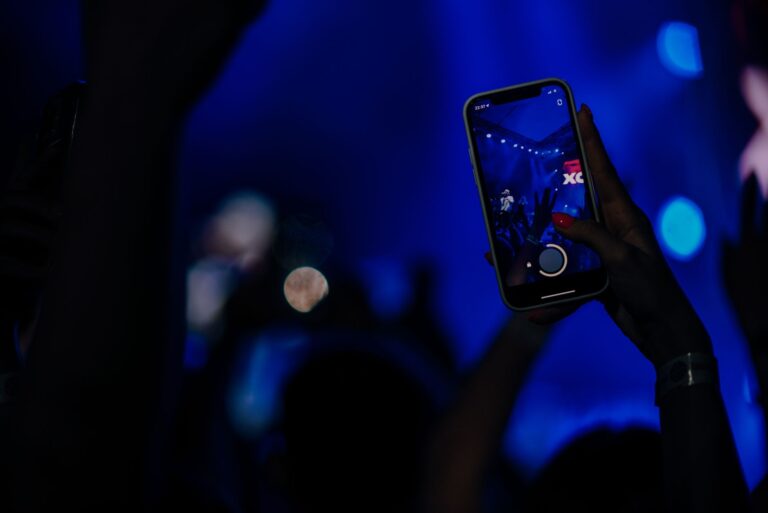
Behind the decks, the lights are blinding, the crowd is electric, and the music feels like pure freedom. But behind that image, a very different reality is quietly consuming some of the most talented artists in electronic music. The DJ world, long romanticized as the ultimate expression of creative liberation, is increasingly showing its darker face. Ego wars, follower counts as currency, algorithmic anxiety, and a stubborn silence around mental health: the toxicity embedded in today’s DJ culture deserves an honest, unflinching conversation.
The Social Media Trap: When Visibility Becomes an Obsession
In 2026, a DJ’s career is no longer built primarily in the booth. It is built on Instagram reels, TikTok clips, and Spotify playlist placements. The performance itself has, in many ways, become secondary to its documentation. The pressure to constantly produce content, maintain engagement, and grow a following has transformed artistic identity into a personal branding exercise , one that never clocks out.
According to a 2024 report by MusicWatch, over 67% of independent music artists reported that social media management was a significant source of daily stress, with DJs and electronic music producers among the most affected groups. The same report noted that nearly half of respondents felt their online presence directly determined their booking opportunities, regardless of their actual skill level.
In Quebec, this dynamic is acutely felt. Local DJs navigating the Montreal and Quebec City scenes describe an exhausting paradox: both cities carry a rich, respected electronic music culture, yet breaking through often feels less about musical talent and more about digital performance. A post that goes viral can open more doors than years of residency work. That reality warps priorities and breeds resentment.
Likes as Validation, Silence as Failure
The psychological toll of chasing digital validation is well-documented beyond the music world. Research published in the Journal of Social and Clinical Psychology in 2023 linked heavy social media use to increased rates of anxiety, depression, and imposter syndrome , particularly among individuals whose professional identity is tied to public perception. DJs, who are by definition public performers, sit squarely in this high-risk category.
The cruelest irony is that success on social media often amplifies isolation rather than connection. More followers can mean more scrutiny, more unsolicited comparison, and less space to be honest about struggle. When every post is curated to project confidence and momentum, admitting burnout feels like professional suicide.
The Ego Economy: Competition Without Ethics
The DJ industry runs, in part, on ego. Self-promotion is not just encouraged , it is required. But when ego becomes the primary currency of a culture, it creates environments where intimidation, gatekeeping, and sabotage quietly thrive.
Parallels can be drawn from the world of sport, where recent years have seen an urgent reckoning with toxic culture. In Canada, calls for a national commission on toxic sport culture , amplified by La Presse and advocacy groups including the Canadian Centre for Ethics in Sport , have forced institutions to confront how unchecked ego, hyper-competitiveness, and silence around suffering destroy athletes from the inside. The mechanisms are strikingly similar in music. Hierarchies protect those at the top. Newcomers are expected to endure rather than speak. And the culture valorizes resilience so aggressively that admitting pain becomes a sign of weakness.
In the DJ world, this plays out through booking politics, exclusive cliques around certain promoters or venues, and the quiet blacklisting of artists who speak out about unfair treatment. Female DJs and artists from marginalized communities face these dynamics with compounded intensity. A 2023 survey by the Annenberg Inclusion Initiative found that women represented less than 15% of headlining acts at major electronic music festivals globally , a figure that has barely shifted in five years despite widespread pledges of inclusion.
The Burnout Nobody Talks About
DJ burnout is real, and it is under-discussed. The lifestyle associated with DJing , late nights, irregular schedules, constant travel, alcohol-saturated environments, and the relentless pressure to perform both on and off stage , creates conditions that are physiologically and psychologically punishing. According to a 2022 study conducted by the charity Help Musicians UK, 71% of music professionals reported experiencing anxiety or depression, and 65% said they felt unable to speak openly about mental health issues within their industry.
The expectation of perpetual enthusiasm is its own form of violence. DJs are supposed to love what they do so much that hardship becomes invisible. Passion is weaponized as an excuse to underpay, overwork, and dismiss legitimate complaints. In Quebec’s independent scene, where most DJs are self-funded and operating without management or label support, financial precarity stacked on top of emotional labor creates a particularly heavy load.
Breaking the Silence: What Needs to Change
The conversation is slowly starting. A handful of international artists have begun speaking publicly about mental health struggles. Avicii’s tragic story forced the industry to confront what it had long ignored , his death in 2018 remains a painful but essential reference point in discussions about burnout and industry pressure. In 2025 and into 2026, more artists have used social platforms to push back against the always-performing culture, demanding space for honesty alongside achievement.
In Quebec, organizations like the Guilde des musiciens et musiciennes du Québec have taken steps toward supporting artist well-being, but the infrastructure remains thin compared to the scale of the need. The electronic music scene specifically lacks dedicated mental health resources, peer support networks, and safe reporting mechanisms for harassment or exploitation.
Individual Courage Is Not Enough
Placing the burden of change entirely on individual artists is both unfair and ineffective. Just as Canada’s sport reckoning made clear that culture shifts require institutional accountability, the music industry cannot rely solely on brave individuals to disrupt toxic norms. Promoters, venue owners, booking agents, festival organizers, and digital platforms all play a role in shaping the conditions DJs work within.
Accountability needs to be structural, not just personal. That means transparent booking practices, fair pay standards, and harassment policies with real teeth. It means genuine space for artists to flag problems without fear of being blacklisted. It means promoters treating mental health as a legitimate professional concern rather than a personal weakness. And it means the community itself , fans included , questioning whether the culture of hero-worship and digital spectacle truly serves the artists it claims to celebrate.
An Honest Reckoning for a Culture Worth Saving
Electronic music, at its best, is radical. It was born from communities that refused to be erased, that created joy in the margins, that built something transcendent out of drum machines and defiance. That origin story deserves more than a culture of burnout, ego, and algorithmic anxiety.
Calling out toxicity is not an attack on the DJ world. It is an act of respect for what the DJ world could be. The scenes in Montreal, Quebec City, and beyond have real depth, real talent, and real community. Protecting that requires the courage to name what is broken , without waiting for it to get worse.
The booth should not cost an artist their well-being. And the music should not have to compete with the noise of a culture that confuses visibility with worth. The most radical thing the DJ world can do right now is make space for that truth.